Automate the work your team repeats every week, with AI only where it pays
AI & Workflow Automation
From quoting and reporting tools to data pipelines and assistants, automation frees your team to focus on real work.
Where Automation Pays Off
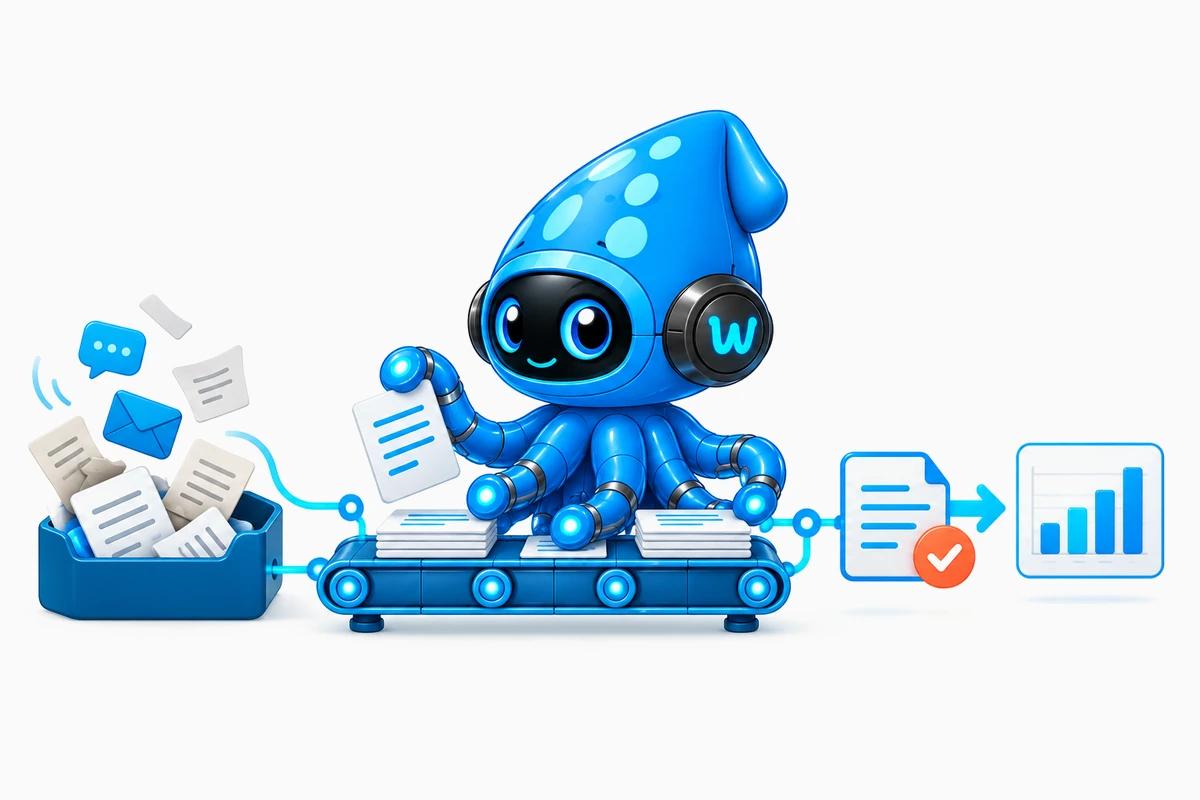
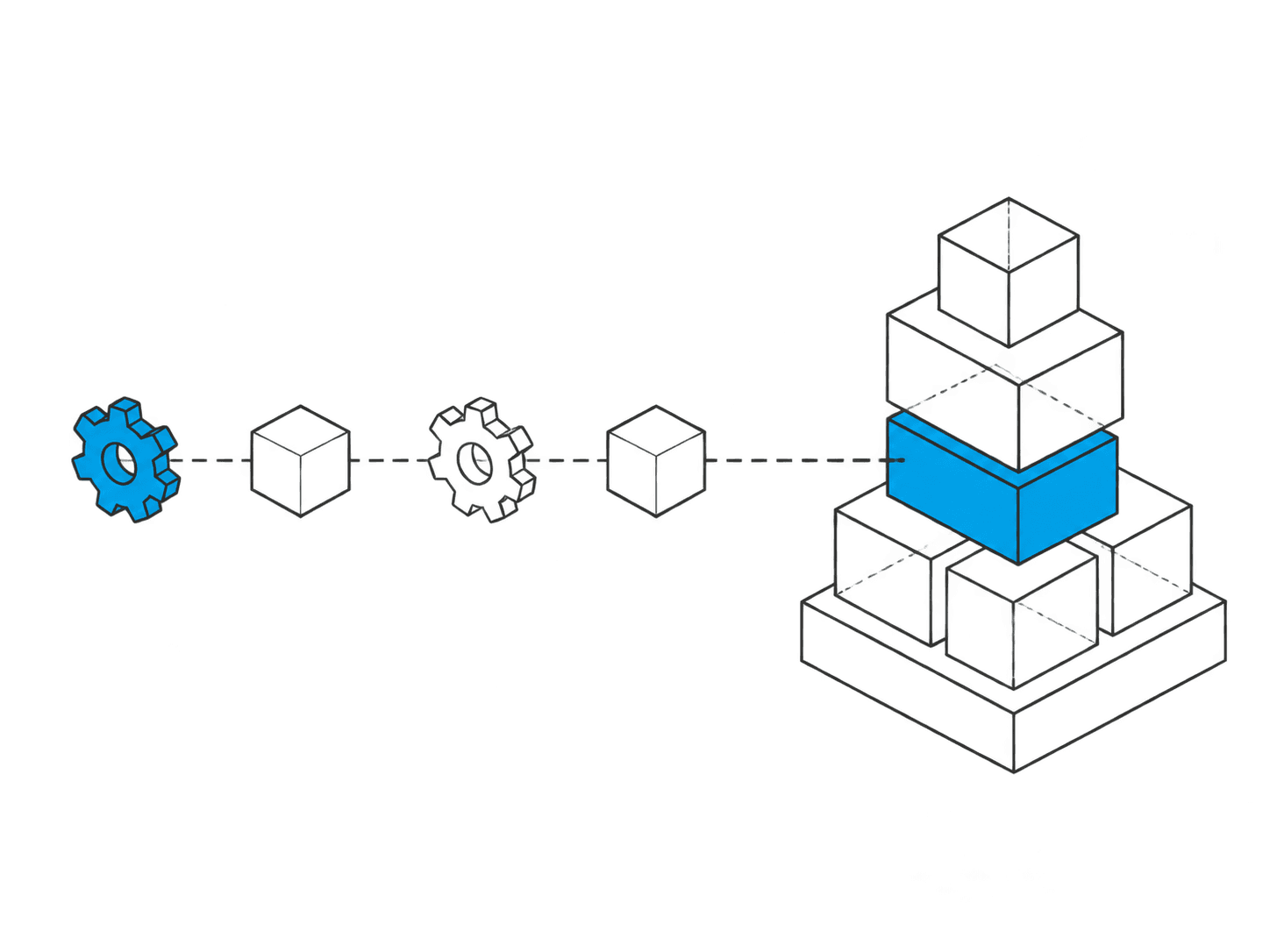
We start from your process, not from a tool. We map what your team repeats, automate the steps that follow rules, and add AI only where judgment or language is involved (reading documents, drafting replies, sorting requests). In KSA that includes ZATCA-compliant invoicing flows.
What a Project Looks Like
How a typical engagement unfolds, from the first week to life after launch.
Week 1
We follow one repeated task from start to finish with the people who do it, and pick the one that will give back the most hours.
Weeks 2 to 6
We build it for that single task and run it next to your team, so you can compare results before anything changes.
Launch
Once the results hold up, we switch it on for the whole workflow and show your team how to run it.
After launch
We watch the results, fix the odd cases and report the hours saved, then choose the next task together.
What We Build For You
The pieces this service typically covers.
- Workflow Mapping & Process Audit
- AI-Assisted Reporting & Summaries
- Quoting & Follow-Up Automation
- Tool-to-Tool Integrations
- Custom Chat & AI Assistants
Services FAQs
Anything your team repeats weekly with the same steps — quoting, reporting, data entry, follow-ups. If it's boring and repetitive, it's usually automatable.
Both, depending on the task. Simple, rule-based steps use plain workflow automation; tasks that need judgment or language use AI on top of that — we don't force AI where a simpler rule works better.
Every automation ships with fallback paths and alerts, so a failure gets flagged to a human instead of silently dropping data.
A focused automation typically ships in 2–8 weeks and starts saving time from the day it goes live.
Usually not — automations connect to the tools you already use rather than replacing them.
Pick One Manual Process. We'll Automate It First.
On the call we'll find the process worth automating first, before writing a line of code.